Spring in Italy: What to Eat in March, April, and May


Spring in Italy: What People Eat in March, April, and May
Every spring, I discover Italy all over again. This is the season when it becomes especially clear how closely Italian food follows nature. After winter, the markets come back to life. The stalls fill with fresh greens, young vegetables, asparagus, strawberries, artichokes, and soft cheeses.
For me, spring in Italy is not only about sunshine, walks, and trips to beautiful towns. It is also a time of bright, fresh, and lively food. Spring is the best moment to understand what people eat in Italy in spring, which seasonal products locals love, and which dishes are worth trying on a trip.
In this article, I will share what spring cuisine in Italy looks like in March, April, and May. I will also suggest which products and dishes are worth paying attention to during your journey.
Why spring is such a good time to travel around Italy
I love traveling in Italy in spring. The weather is already warm, but the summer heat has not arrived yet. It is pleasant to walk through the streets, and markets and cafés are full of seasonal products.
In spring, Italian food becomes lighter. After winter, tables begin to fill with vegetables, greens, young broad beans, peas, asparagus, and fresh cheeses. The dishes become simpler, but no less delicious.
That is why seasonal food in Italy is especially memorable in spring. Here, people value good ingredients and natural flavor more than complicated recipes.
What people eat in Italy in March
March in Italy is the beginning of spring. At this time, the cuisine still combines winter and spring products. But the change is already visible in the markets. There are more greens, fresh vegetables, and the first true seasonal dishes.
When I am in Italy in March, I always look for artichokes, chicory, spinach, aromatic herbs, and fresh ricotta. These are simple products, but they capture the taste of the season very well.
Artichokes
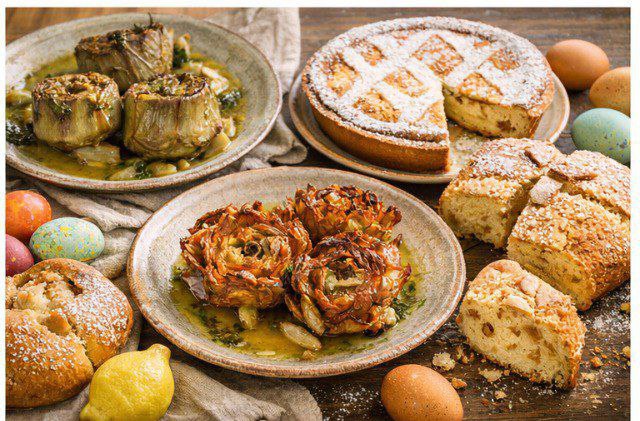
Artichokes are one of the main flavors of the Italian spring. I see them especially often in Rome. There, it is worth trying carciofi alla romana. These are artichokes braised with herbs and olive oil.
Another famous dish is carciofi alla giudia. These are fried artichokes with a crisp texture. They look beautiful and reflect the character of Roman cuisine.
Greens and vegetable side dishes
In March, people in Italy often cook dishes with chicory, spinach, and local greens. They are stewed, served as side dishes, or added to simple homemade meals. This food may seem modest, but that is exactly where its charm lies.
Fresh ricotta
In spring, I often choose fresh ricotta. It is delicate, soft, and light. You can eat it on its own, with bread and honey, or use it in many different dishes.
Citrus fruits and light desserts
In southern Italy, lemons and oranges are still excellent in March. That is why cafés and pastry shops often offer many desserts with bright citrus flavor.
What people eat in Italy in April
For me, April is one of the tastiest months in Italy. Spring can already be felt in full. Markets offer more fresh vegetables, and the menus in cafés and trattorias start to feature dishes that are deeply connected to the season.
If you are wondering what to try in Italy in spring, April is the time to look for asparagus, young broad beans, green peas, and Easter dishes.
Asparagus
In spring, I always look for dishes with asparagus. It is added to risotto, pasta, salads, and vegetable side dishes. Sometimes it is served simply with egg or olive oil. This flavor shows the Italian approach to food very well: simple, but precise.
Young broad beans and green peas
In April, young broad beans and green peas are especially good. They are used in light and fresh dishes. One of the most interesting is vignarola. This is a spring dish made with artichokes, broad beans, peas, and lettuce. For me, it is the true taste of Roman spring.
Easter dishes
In many regions of Italy, April is linked with Easter. At this time, festive dishes and baked sweets appear on the table. These may include lamb dishes, savory pies, eggs, and desserts.
Among the most famous sweets, I always think of colomba and pastiera napoletana. These dishes help you understand Italian traditions and family cooking more deeply.
What people eat in Italy in May
May in Italy feels almost like summer. But in food, you can still sense the softness of spring. Markets become even more colorful. Berries, young zucchini, soft cheeses, and light foods for picnics begin to appear.
When people ask me what Italians eat in May, I always say: look for the freshest and simplest food. That is what expresses the season best.
Strawberries
In May, Italian strawberries are full of flavor. They are served in desserts, eaten on their own, or paired with lemon and sugar.
Young zucchini and zucchini flowers
I love dishes made with young zucchini and zucchini flowers. They are fried, stuffed, or added to pasta and risotto. This is a very spring product that appears often in the southern regions.
Mozzarella, burrata, and other fresh cheeses
When the weather gets warmer, lighter food feels more natural. That is why in spring I often choose mozzarella, burrata, and fresh ricotta. They are served with vegetables, greens, bread, and olive oil.
Food for picnics
In spring, many Italians enjoy going out into the countryside. For these trips, people often bring focaccia, cheeses, olives, simple pies, fresh vegetables, and fruit. This is also part of Italy’s spring food culture.
The main spring products in Italy
If we are talking about what to try in Italy in spring, I always recommend paying attention not only to dishes, but also to the seasonal products themselves.
These are the foods I would definitely look for at the market:
-
artichokes
-
asparagus
-
young broad beans
-
green peas
-
fresh ricotta
-
mozzarella
-
burrata
-
strawberries
-
lemons
-
young zucchini
-
zucchini flowers
-
seasonal greens
Which dishes to try in spring
During a spring trip to Italy, I would suggest trying a few simple but very characteristic dishes:
-
carciofi alla romana
-
carciofi alla giudia
-
vignarola
-
asparagus risotto
-
pasta with spring vegetables
-
pastiera napoletana
-
colomba
These dishes show very clearly what spring cuisine in Italy is like. It is simple, fresh, and deeply seasonal.
Where to try spring cuisine
In my view, spring is the perfect time to visit places where market culture and family food traditions are still strong.
Rome and Lazio
This is the place to go for artichokes, vignarola, and classic Roman spring cooking.
Campania
Here, fresh cheeses, lemon desserts, and Easter pastries are especially good. Naples is a wonderful city for discovering local sweets.
Puglia
In spring, Puglia offers many simple and delicious dishes made with vegetables, cheese, and fresh dough. This cuisine feels warm, honest, and deeply local.
Sicily
Spring in Sicily means markets, greens, citrus fruits, and bright flavors. It is an easy place to understand how important the season is in local cooking.
Why I recommend visiting Italy in spring
For me, spring is one of the best times to travel to Italy. In this season, it is easier to understand the local cuisine. Everything feels fresh, light, and real.
If you want to know what people eat in Italy in spring, the best thing to do is visit a market, stop at small trattorias, and try regional dishes. That is usually where a true food journey begins.
Conclusion
Spring in Italy is the season of fresh products, simple dishes, and bright flavors. In March, it is worth looking for artichokes, greens, and ricotta. April – focus on asparagus, broad beans, peas, and Easter sweets. In May, enjoy strawberries, young zucchini, soft cheeses, and picnic food.
If you are planning a culinary journey through Italy in spring, be sure to try seasonal products. They show the flavor of each region and the mood of the season better than anything else.